Coastal Massachusetts ( including Parker River N.W.R.)
The Pilgrims landed here. The Revolution for Independence started here. And so throughout the centuries, many cultural poignant references to this country’s history are connected with this coastline. Just as the people who lived here and sought their own independence – the wildlife that inhabits this diverse environment needs special protection. Dune environments are so sensitive that just trampling on plants causes ceaseless erosion since the roots of plants that inhabit dune life take a long time to prevail in such an environment. Waves from storm surges batter the coast and swallow up tens of feet every year. Erosion is a constant process as one thing is taken from another and given somewhere else.
A Geology professor once said to me that he could sum up coastal geology as: the tide comes in…. and the tide goes out. As simple as that is, it is the truth. However, there are many complex processes at work here. The eventual sediment transport mechanisms at play (high and low tides interconnected with the sun and moon), river discharge, small storms and high energy storms (as in Northeastern storms known as “Nor’easters”), hurricanes, wind erosion, rain and surface water erosion, sea level height, plate tectonics, glacial history, pollution and other human interconnected dynamics such as dredging, construction and general use affect the shape and health of the coastline. This coastal zone that interfaces with the Atlantic ocean creates a buffer of protection for inland areas, but the actual zone area is highly vulnerable to natural hazards. Â It is because this land sacrifices itself as it protects inland areas that this interface zone is established as an area that is critical to the environment, people and all the plants and animals that live within its confines.
Parker River National Wildlife Refuge (NWR) is a very special place. Three rivers in total are discharged to the Atlantic at this location. Two are mid-size (Parker and Ipswich) and one is a major river (Merrimack). With all this confluence of head water it is no wonder that we find an abundance of plant and wildlife species along with a highly active inter-coastal ecosystem. Â Birders know this as a ‘hot spot of activity’. It is one of the best places in the lower 48 to find a wintering Snowy Owl. Piping Plovers and Least Terns also reside here since this refuge provides restorative lands set aside for such species to live in. The long continuous salt marsh is part of a larger system that nurtures a highly productive ecosystem.
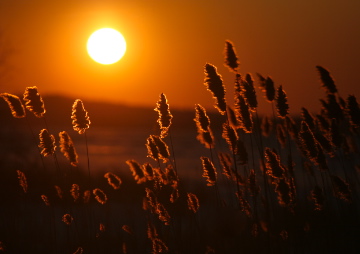
Parker River N.W.R.
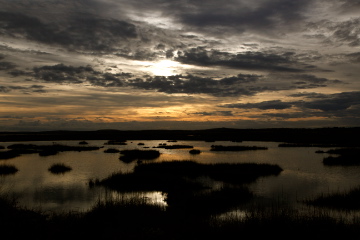
Parker River N.W.R.
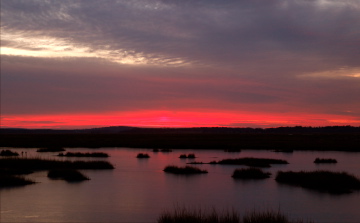
Parker River N.W.R.
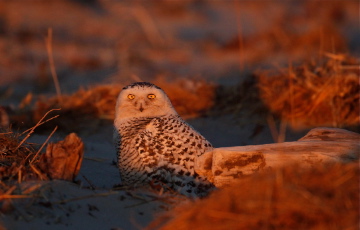
Snowy Owl-immature
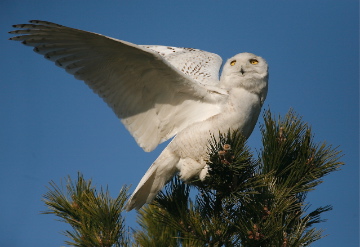
Snowy Owl
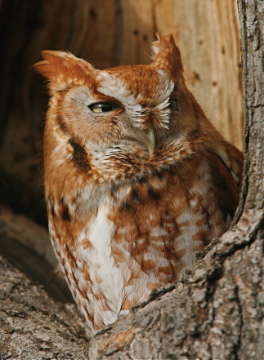
Screech Owl
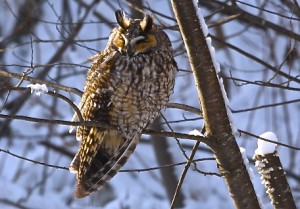
Long Ear Owl
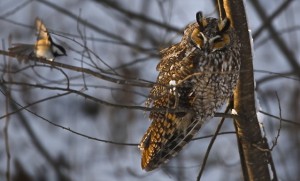
Long Ear Owl with Chickadee
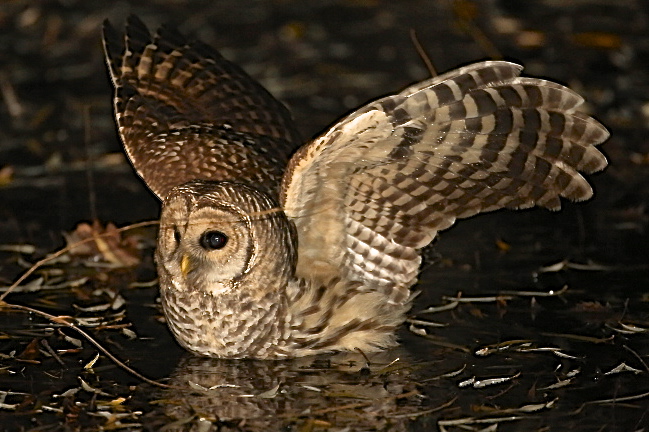
Barred Owl
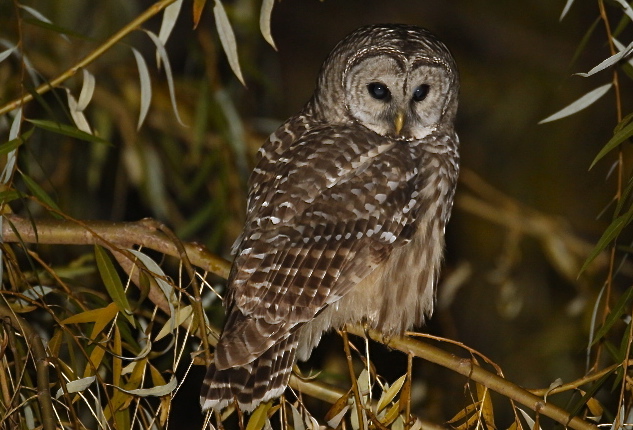
Barred Owl
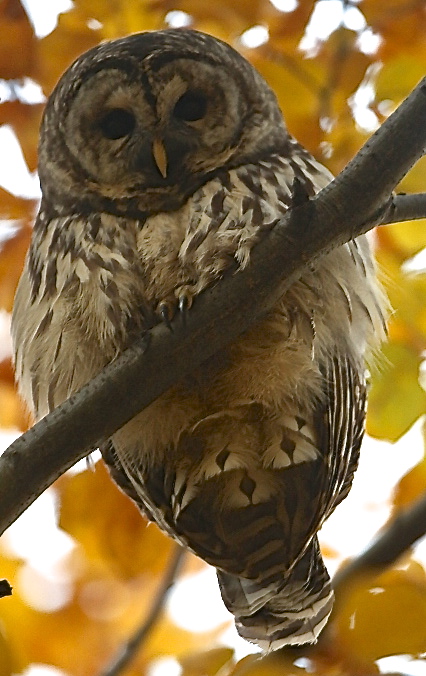
Barred Owl
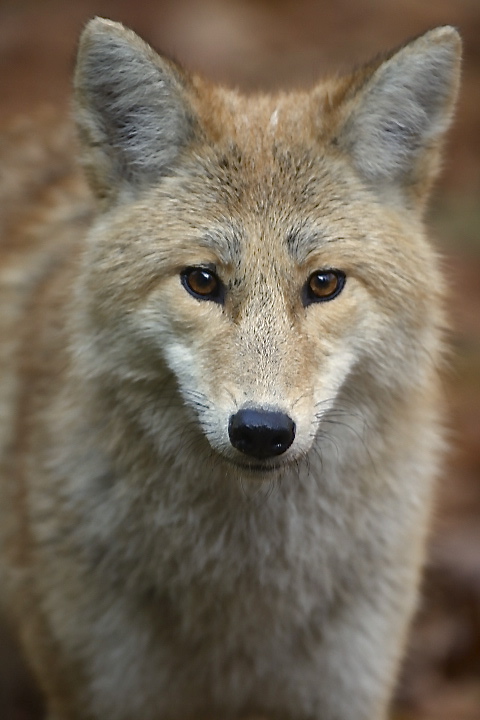
Coyote
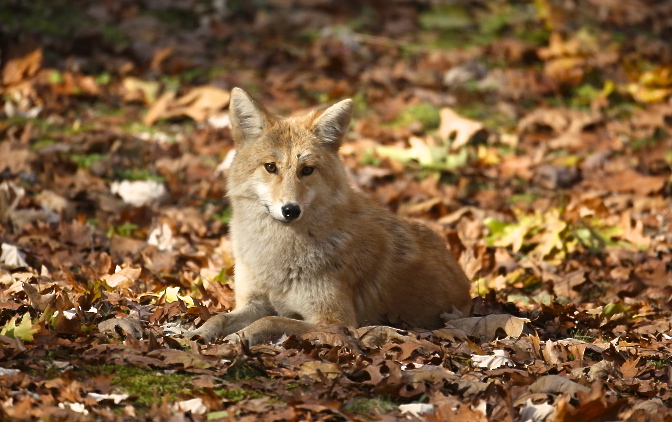
Coyote
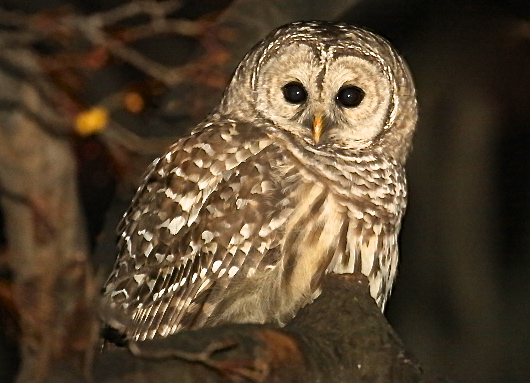
Barred Owl
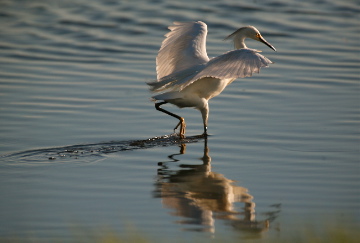
Great Egret
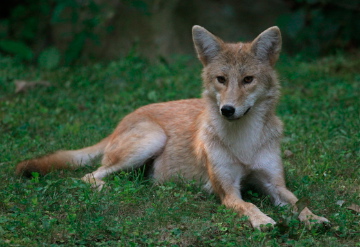
Coyote Pup
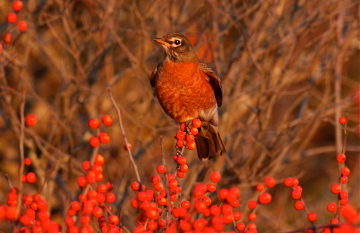
Robin
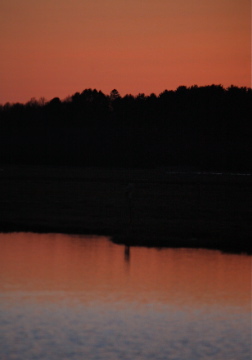
Parker River N.W.R.
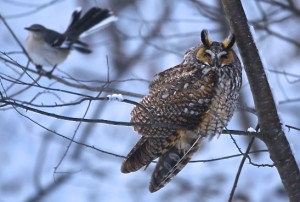
Long Ear Owl
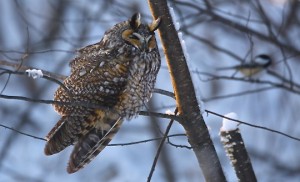
Long Ear Owl
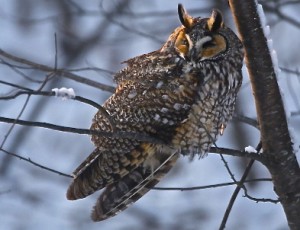
Long Ear Owl
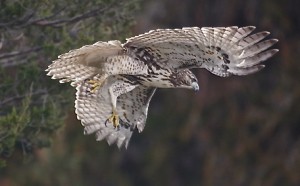
Red Tail Hawk
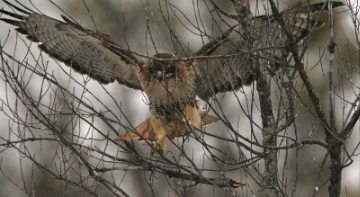
Red-Tail Hawk
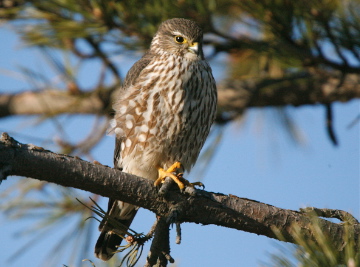
Merlin
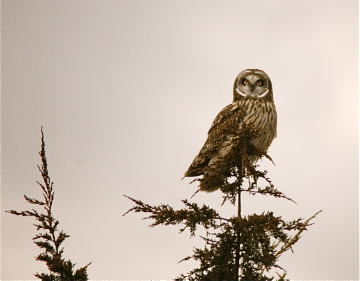
Short Eared Owl
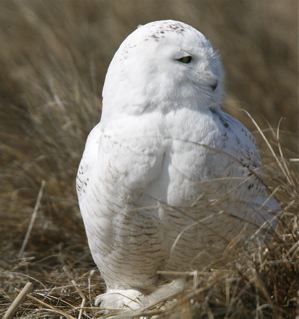
Snowy Owl
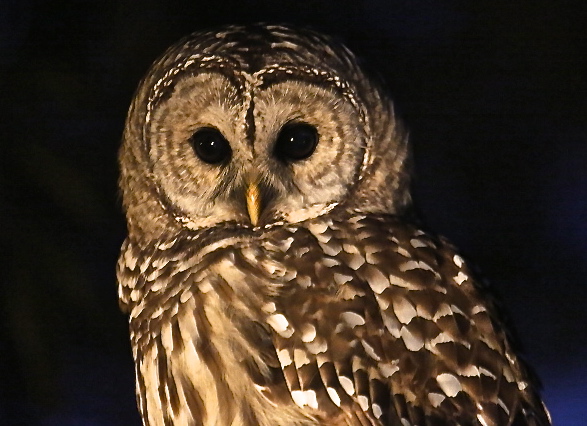
Barred Owl
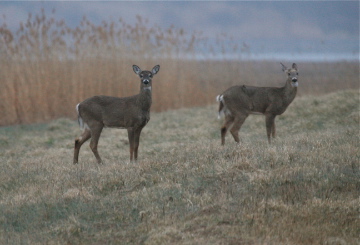
White Tail Deer
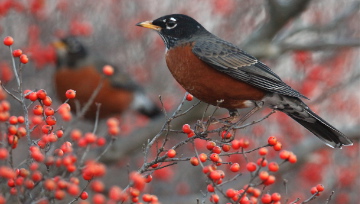
Robins
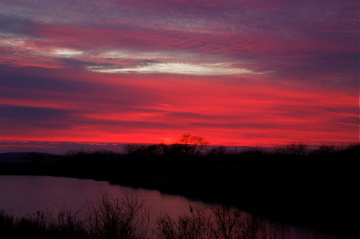
Parker River N.W.R.
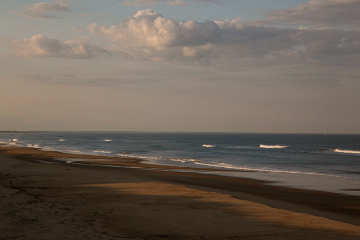
Plum Island
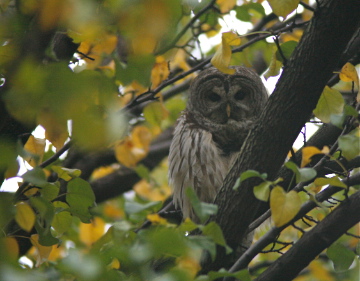
Barred Owl
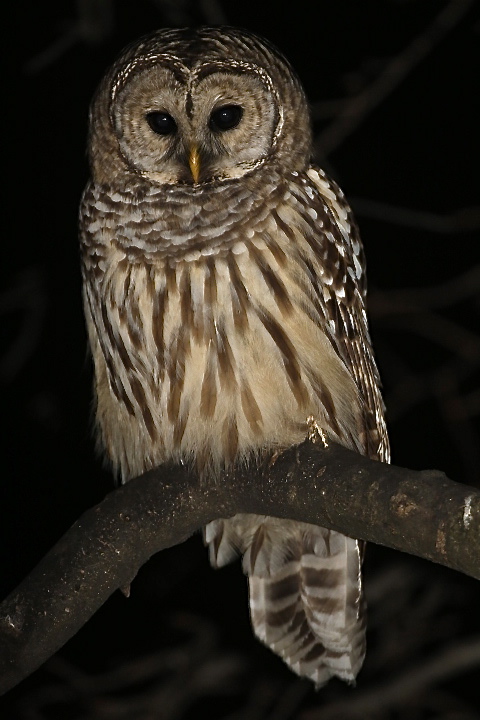
Barred Owl
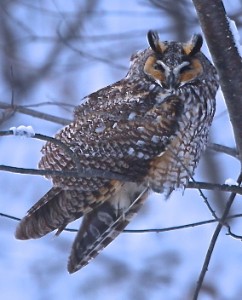
Long Ear Owl
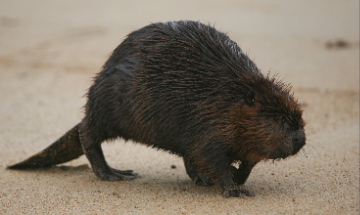
Beaver
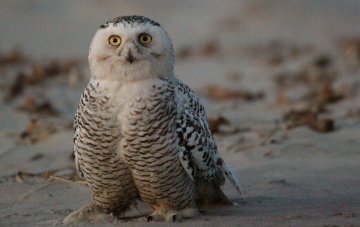
Snowy Owl-immature
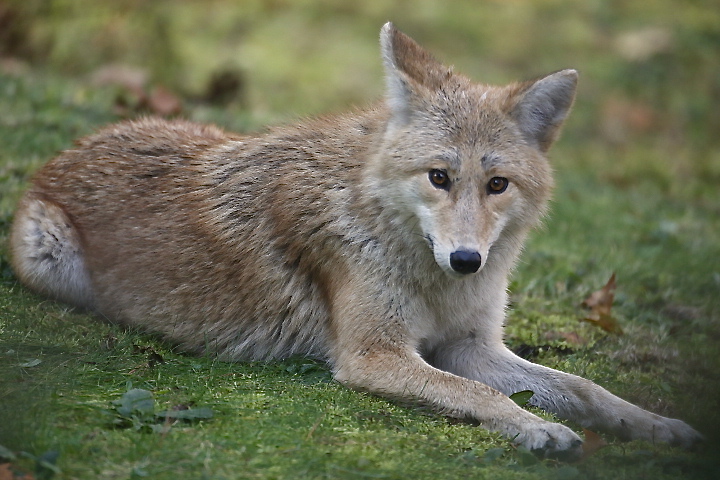
Coyote
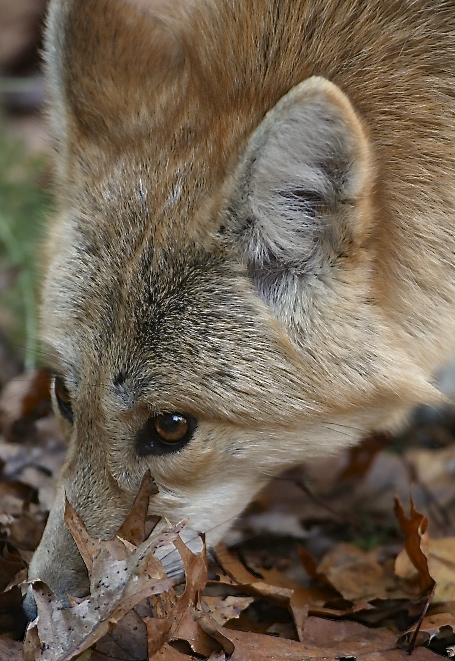
Coyote
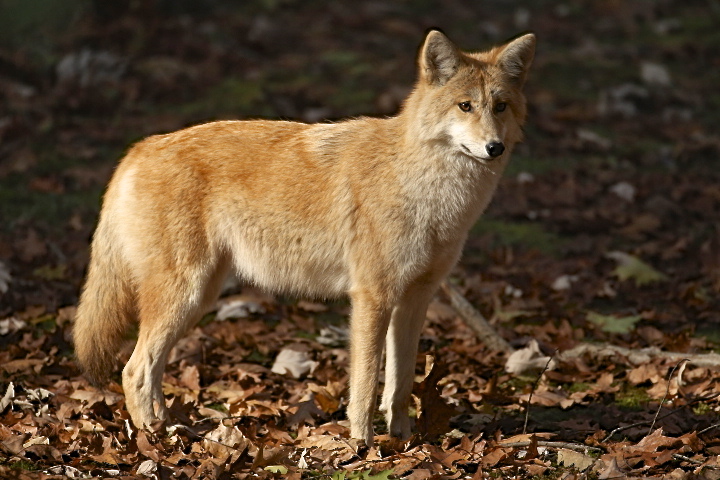
Coyote
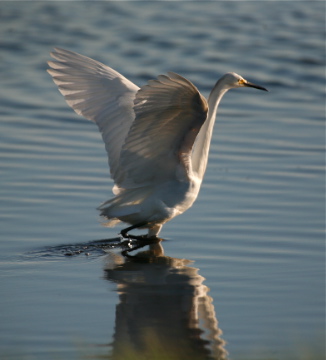
Great Egret
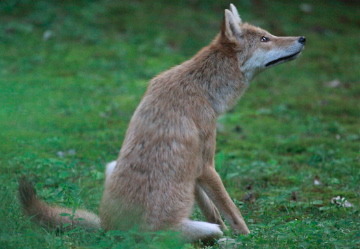
Coyote
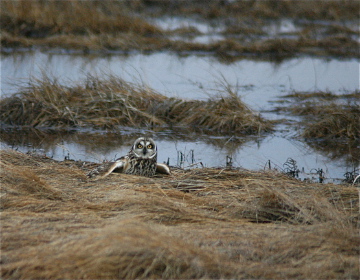
Short Eared Owl
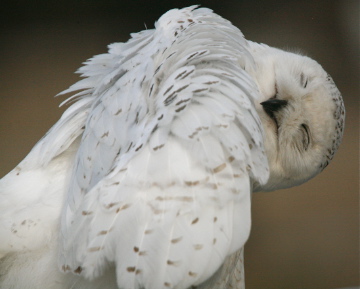
Snowy Owl
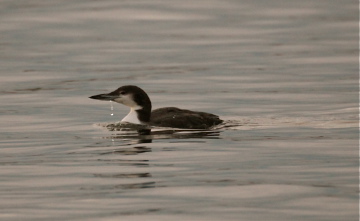
Loon
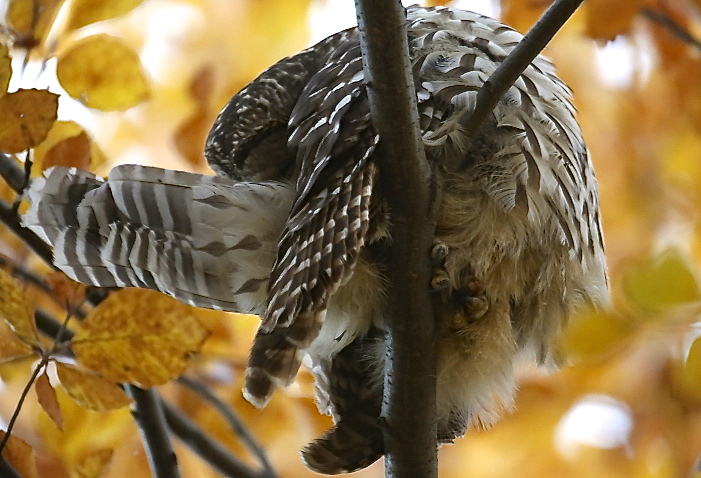
Barred Owl
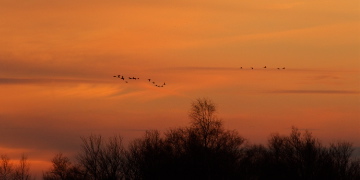
Geese over Parker River N.W.R.
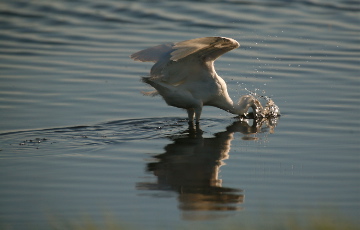
Great Egret
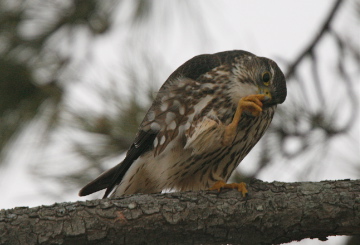
Merlin
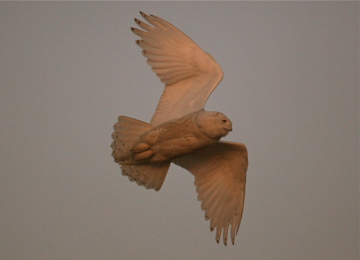
Snowy Owl
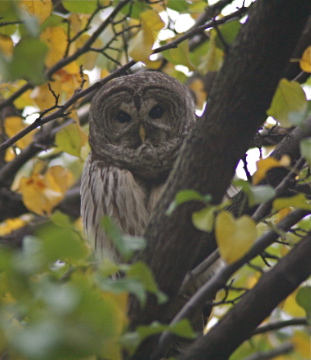
Barred Owl
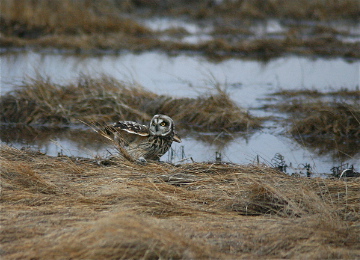
Short Eared Owl
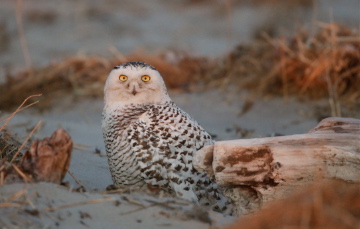
Snowy Owl-immature
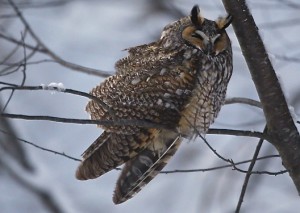
Long Ear Owl
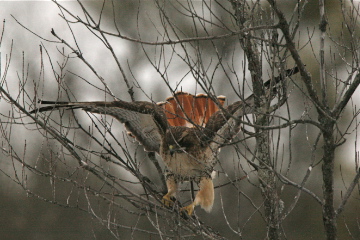
Red-Tail Hawk
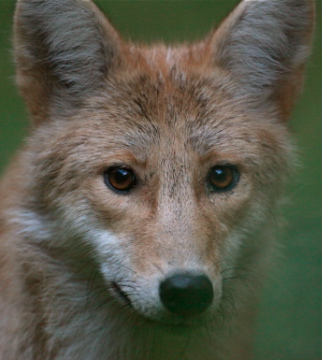
Coyote
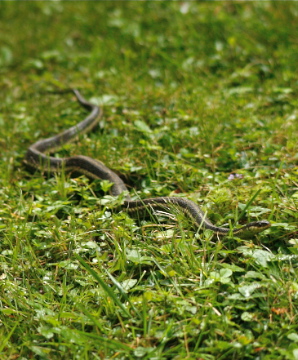
Garter Snake
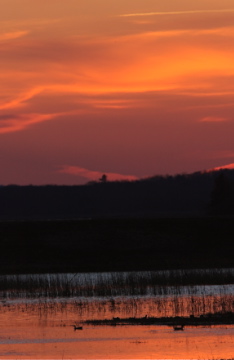
Parker River N.W.R.
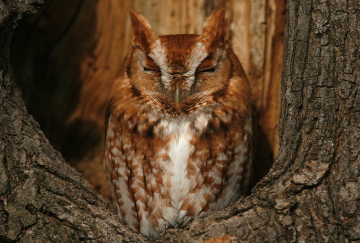
red phase Screech Owl
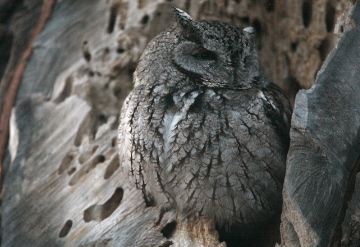
gray phase Screech Owl
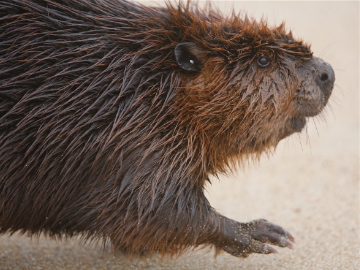
Beaver
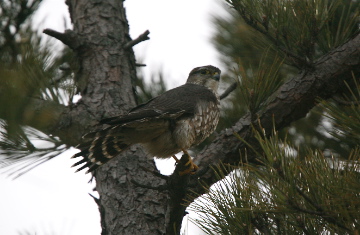
Merlin
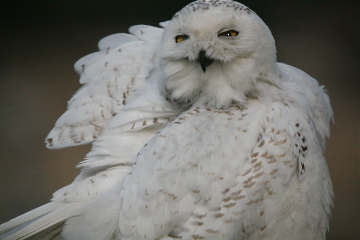
Snowy Owl
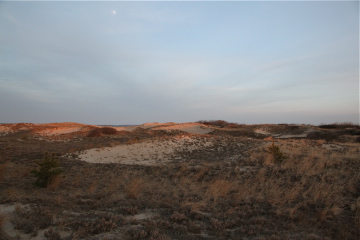
Parker River N.W.R.
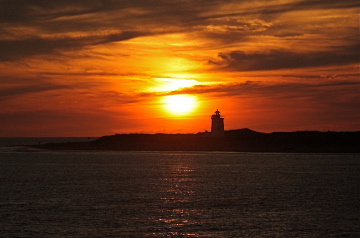
Cape Cod N.S.

Coyote

Great Egret
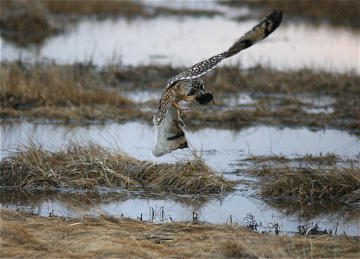
Short Eared Owl with Vole
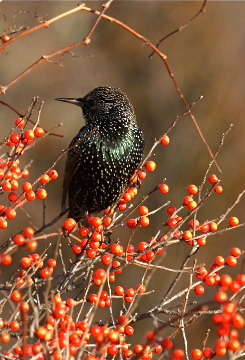
Starling
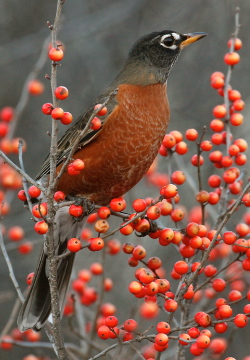
Robin
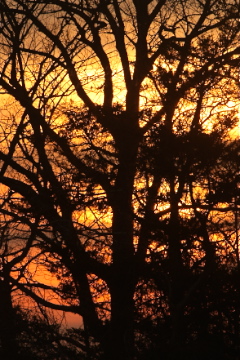
Parker River N.W.R.
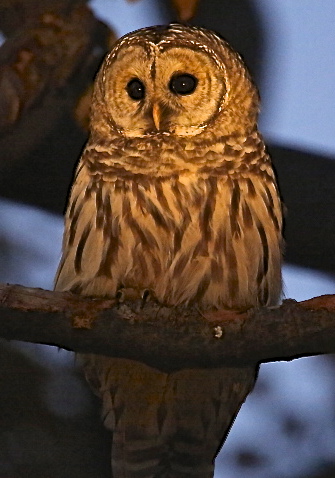
Barred Owl
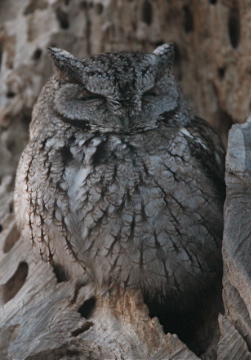
Screech Owl gray phase
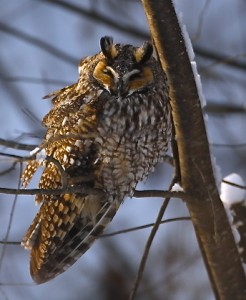
Long Ear Owl
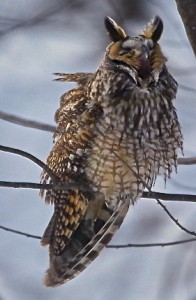
Long Ear Owl
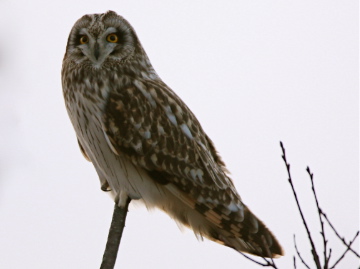
Short Ear Owl
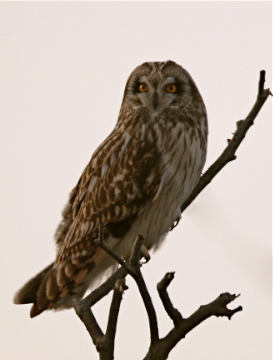
Short Ear Owl
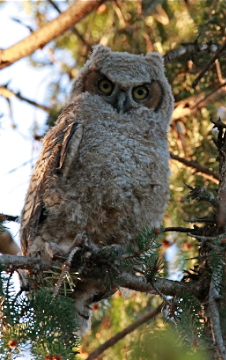
Great Horned Owl – Immature
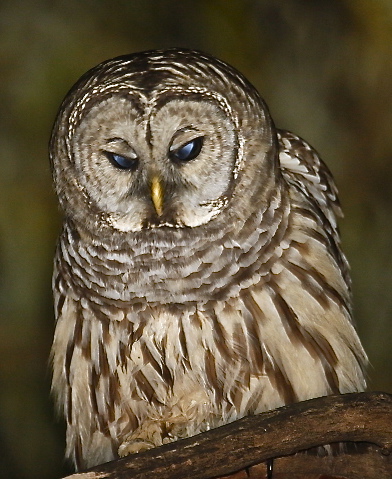
Barred Owl
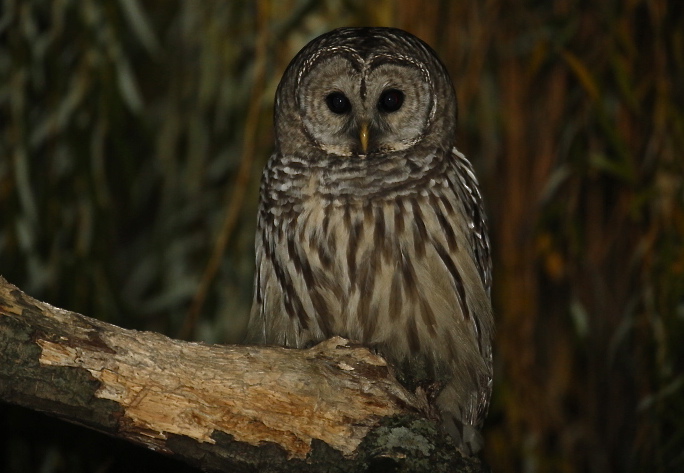
Barred Owl
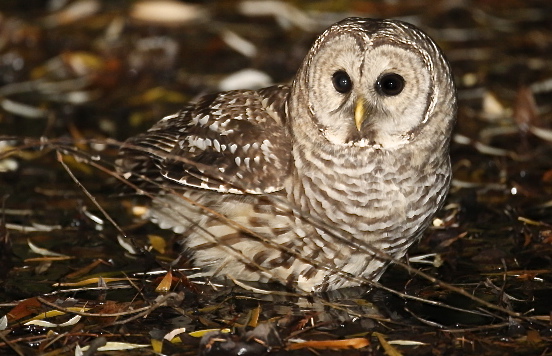
Barred Owl
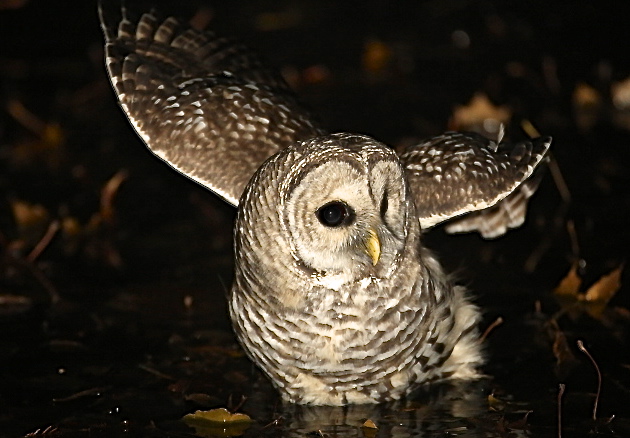
Barred Owl
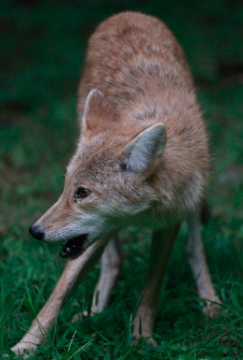
Coyote
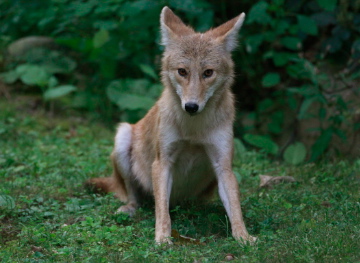
Coyote Pup
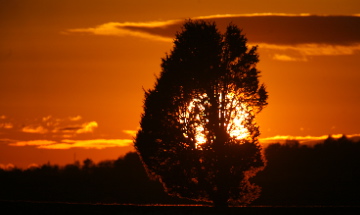
Parker River N.W.R.